Resources
Helpful guides for keeping your Japanese vehicle reliable
Browse quick maintenance tips, common problem symptoms, and what to do next. If you’re unsure, our ASE-certified technicians can diagnose it accurately and explain your options.

Start here
Explore our most-used resources
Straightforward guidance for Toyota, Honda, Nissan, Subaru, Mazda, and Lexus owners—written by technicians who work on these platforms every day.

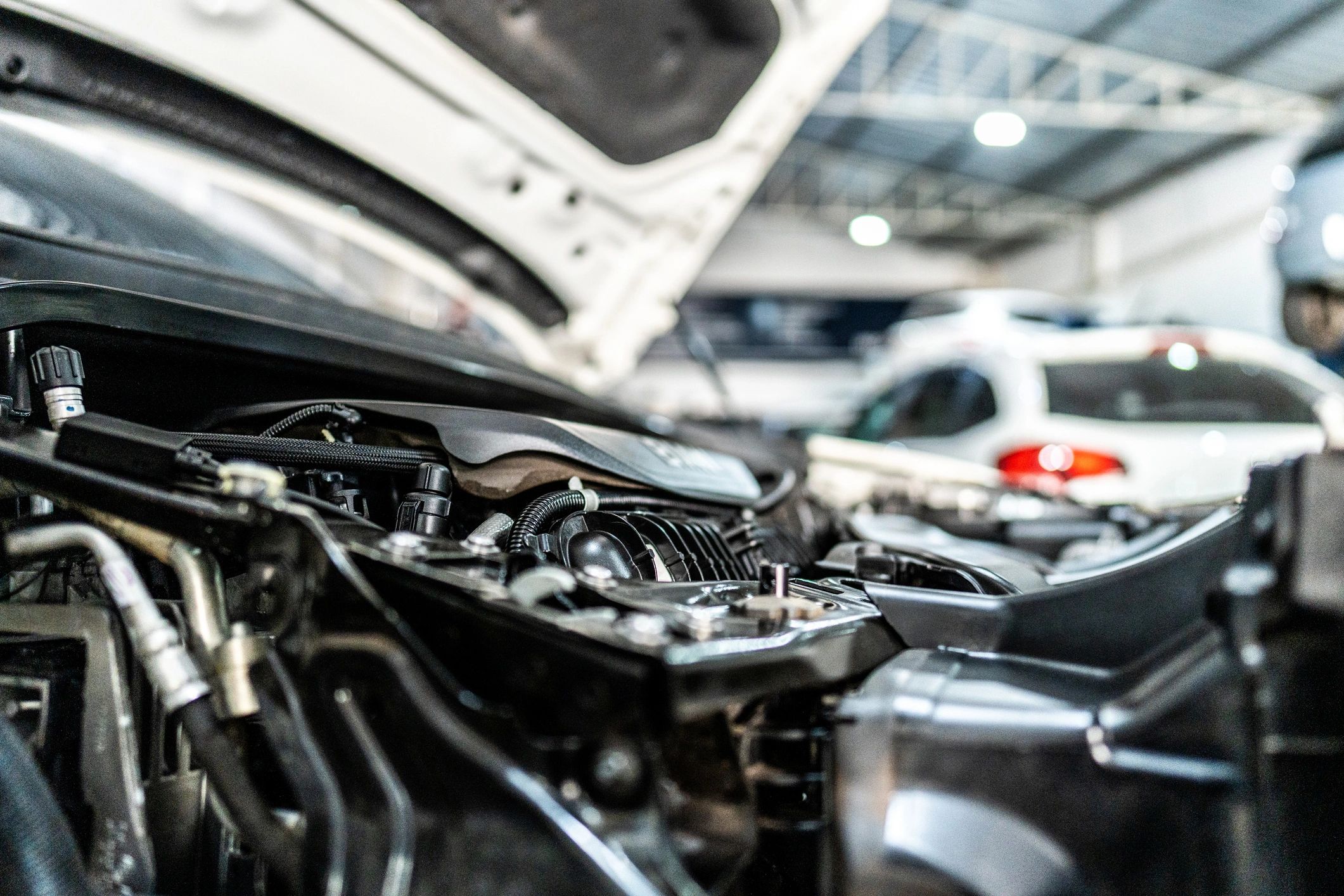

Maintenance basics
A simple routine that prevents most breakdowns
Use this as a quick reference between visits. Always follow your owner’s manual for exact intervals and specifications.
Check fluids monthly
Engine oil, coolant, brake fluid, and power steering (if equipped). Look for drops in level, discoloration, or burnt smells.
Watch tire wear and pressure
Set pressures when tires are cold. Uneven wear can signal alignment, suspension, or inflation issues.
Listen for changes
Squeals, grinding, humming, or clunks often show up before a failure. Note when it happens (cold start, braking, turning, highway speed).
Don’t ignore warning lights
A flashing check-engine light can indicate a misfire that may damage the catalytic converter. If it’s flashing, reduce load and schedule service ASAP.