
Resources
Maintenance tips for Japanese vehicles
Simple, practical guidance to help your Toyota, Honda, Nissan, Subaru, Mazda, or Lexus stay reliable between visits—plus clear signs it’s time to schedule service.
Quick maintenance checklist
Use this as a monthly baseline. For exact intervals, follow your owner’s manual and driving conditions (city, highway, towing, extreme heat/cold).
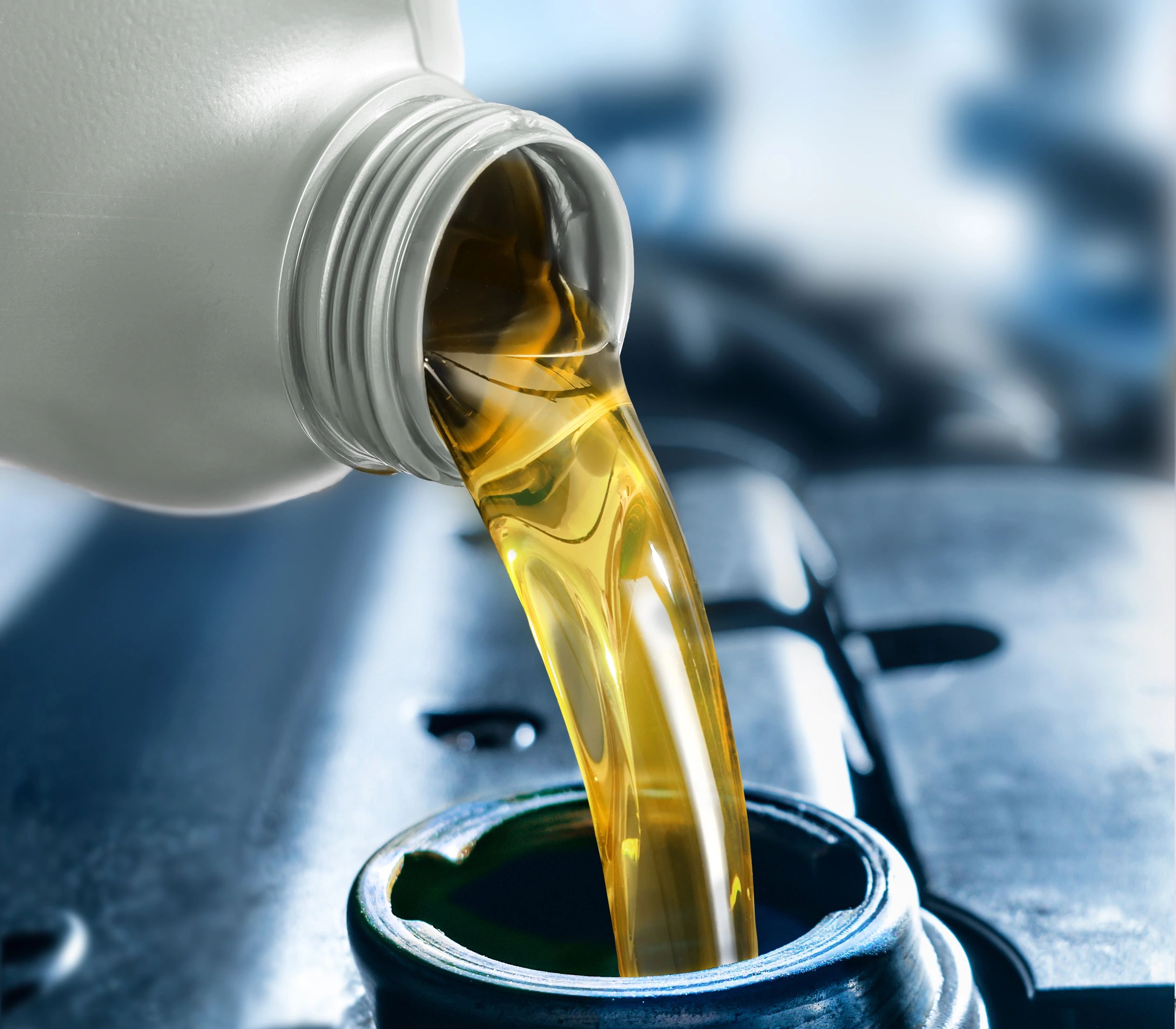
Engine oil level
Check monthly. Top off with the correct viscosity; schedule an oil change if it’s dark, low, or you’re near your interval.
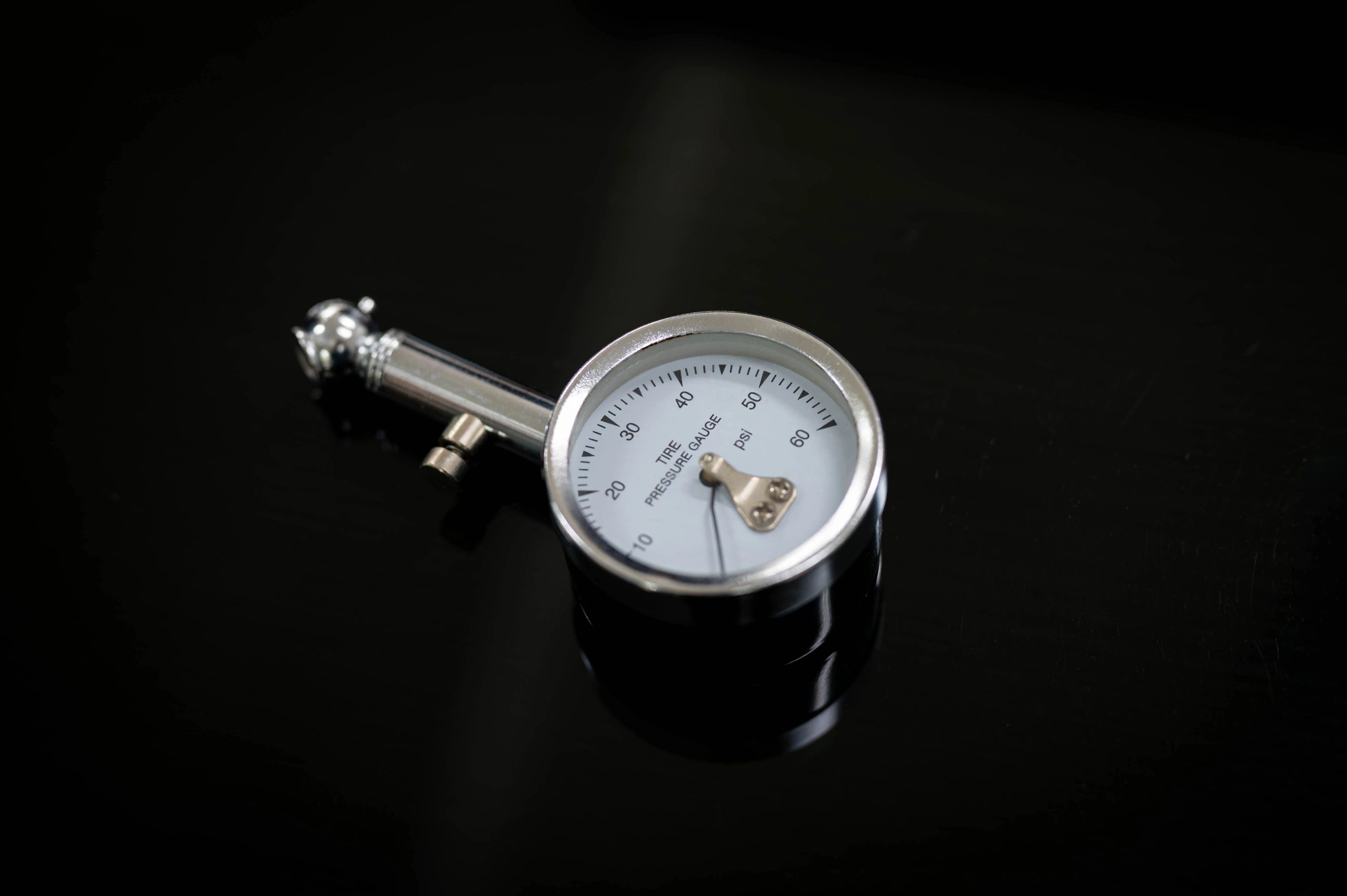
Tire pressure & tread
Set pressures cold to the door-jamb spec. Inspect tread wear and sidewalls; rotate tires to prevent uneven wear.
Brake feel & noise
Squeal, grinding, vibration, or a soft pedal means it’s time for an inspection—don’t wait.
Coolant level
Check the reservoir when cool. Low coolant can indicate leaks—overheating can cause major engine damage.
Battery health
Slow cranks or dim lights can signal a weak battery. Have it tested before it leaves you stranded.
Wipers & washer fluid
Replace streaking blades and keep washer fluid topped up for clear visibility in all weather.
Cabin air filter
A clogged filter reduces airflow and can cause odors. Replace regularly—more often in dusty areas.
Warning lights
If a light comes on, note conditions and schedule diagnostics. Ignoring alerts can turn small issues into big repairs.
What to watch between services
A few minutes of attention can prevent expensive repairs. If you notice any of these, we can diagnose it quickly with factory-level tools.
Maintenance FAQs
General guidance for Japanese vehicles. Your exact intervals may vary by model year, engine, and driving conditions.
How often should I change my oil?
Follow your owner’s manual. Many modern vehicles can go longer than older models, but short trips, heavy traffic, or extreme temperatures may require more frequent changes.
Do I really need OEM parts and fluids?
OEM parts and the correct-spec fluids help preserve performance, longevity, and warranty requirements—especially for Japanese engines and transmissions with tight tolerances.
What does a flashing check engine light mean?
A flashing light can indicate a severe misfire that may damage the catalytic converter. Reduce load, avoid hard acceleration, and schedule diagnostics as soon as possible.
When should I service my transmission?
Intervals vary widely. If you tow, drive in stop-and-go traffic, or notice slipping/hesitation, it’s smart to have the fluid and operation evaluated.
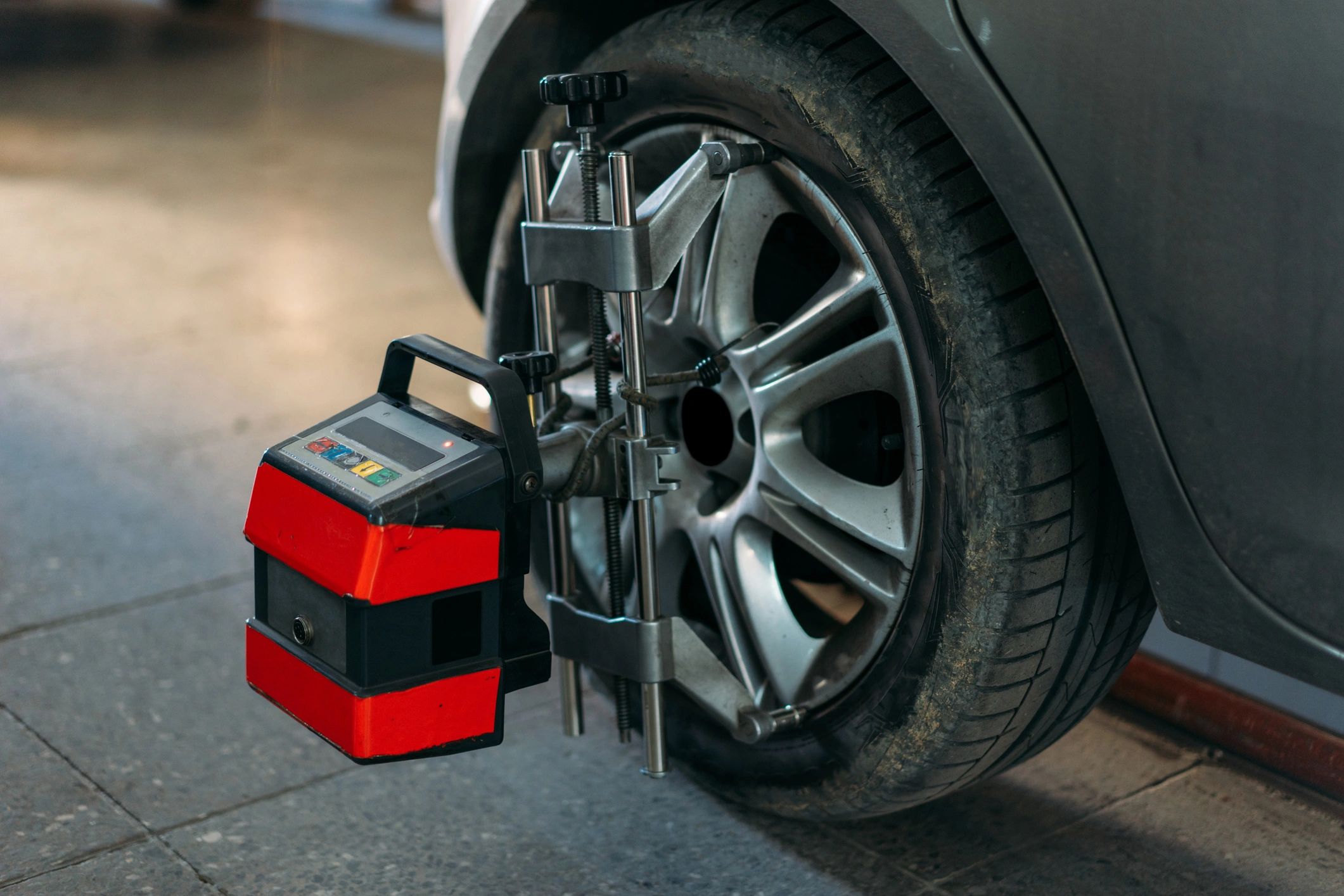
Why are my tires wearing unevenly?
Common causes include incorrect pressure, missed rotations, worn suspension components, or alignment issues. A quick inspection can pinpoint the cause.
What’s the difference between a maintenance reminder and a warning light?
A reminder is time/mileage-based (like “maintenance required”). A warning light indicates a system fault that should be diagnosed.